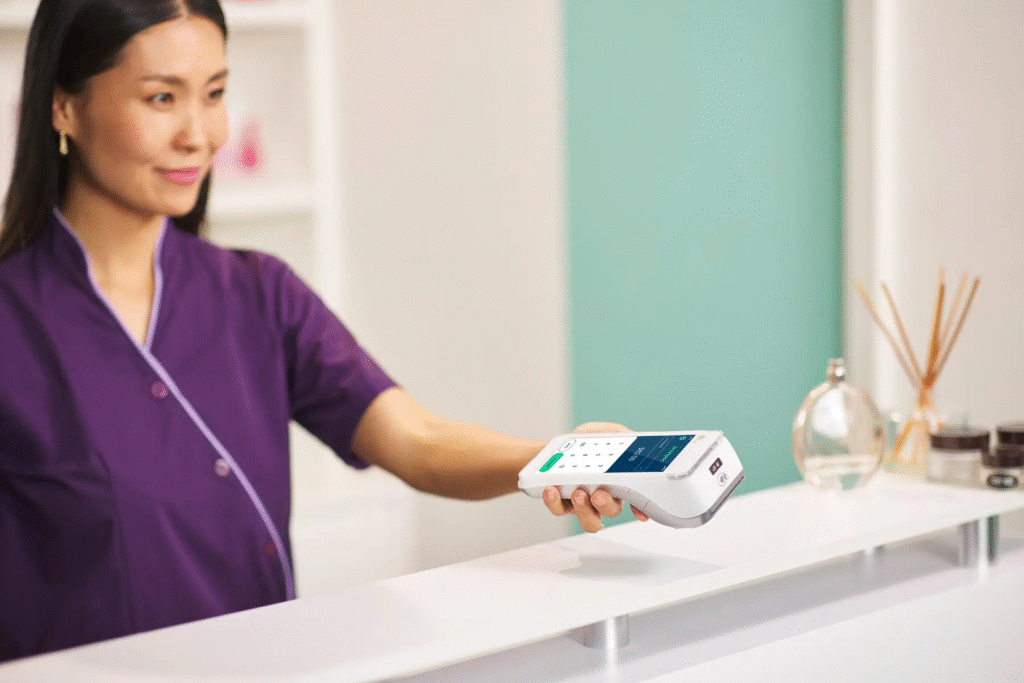
2026 and Beyond: Navigating the Future of Payments
The world of commerce is being rewritten, as is the future of payments. What started with cash and cheques rapidly evolved into plastic cards, and today, it’s transforming into a seamless, tap-and-go, digital-first experience. The future of payments will be defined by speed, security, and smart integration. Businesses must step up now and prepare to meet the rising demand for alternative payment methods, digital wallets, and more. The way people pay is a direct reflection of their desire for convenience, and the near future — 2026 and beyond — promises a financial ecosystem very different from today’s. The Sunset of Traditional EFTPOS and the Rise of Contactless New Zealand has long been dominated by the traditional EFTPOS card—a simple, effective tool. However, this era is drawing to a close. Consumers overwhelmingly prefer the convenience of contactless payments (Tap & Go), whether using a physical debit/credit card or a digital wallet like Apple Pay or Google Pay. • The EFTPOS Phase-Out: Traditional EFTPOS-only cards are plummeting in popularity, with scheme debit cards (think Visa or Mastercard) replacing them because they offer the essential capability EFTPOS lacks: contactless payment and online use. We expect the EFTPOS-only era to be phased out as banks and payment schemes prioritise these versatile, modern and more secure credentials. Payment security is paramount for businesses, which have stronger fraud protection with a “scheme” card (Visa or Mastercard) versus a traditional EFTPOS-only card in New Zealand. This is because scheme cards offer robust security measures and dispute frameworks backed by the international payment networks (Visa and Mastercard) and the issuing bank. • Contactless as the Default: Globally, contactless has become the norm, with over 80% of consumers now using contactless methods. New Zealand is rapidly catching up, and by 2026, contactless and digital wallet transactions will become the unquestioned default for in-person transactions. This transition is being accelerated by innovations such as the nationwide rollout of contactless payment options on public transport, conditioning consumers to tap their way through life simply. Global Fintech Disruptors Arrive on Shore A significant driver of this evolution is the increasing influence of global fintech players. In many European countries and parts of Asia, these multi-currency accounts and cards have become preferred payment methods, particularly for younger, mobile-first users and travellers. In New Zealand, we’re already seeing a surge in its adoption. These platforms offer: • Flexibility and Lower Fees: Their focus on low-cost, real-time currency conversion and transparent fee structures offers a compelling alternative to traditional banking. • Virtual Cards and Advanced Security: Features like disposable virtual cards and easy-to-manage card security (like instant freezing) are setting a new standard for user control. For local merchants, this means being prepared to accept payments from a more diverse range of international scheme-backed cards and digital wallets. Being able to offer a fast, secure experience is no longer a luxury — it’s a requirement for global commerce. Smartpay’s Solution: Contactless-First Terminals Universal Acceptance: Smartpay’s modern terminals (like our Android A920) are inherently Contactless-Ready and accept all major debit/credit card schemes (Visa, Mastercard, AMEX) and mobile wallets (Apple Pay, Google Pay). This immediately addresses the need to accept the preferred payment method of over 80% of global consumers, as well as the cards issued by international fintechs. Mobile Flexibility: Offering both mobile and countertop options with multi-carrier 4G SIM and Wi-Fi ensures payment acceptance anywhere in the store or on the go, supporting the consumer’s expectation for speed and convenience regardless of location. Low Cost Tap & Pay: Solutions like Smartpay’s Low Cost Tap & Pay help merchants manage the cost of accepting the universally preferred contactless methods, making it financially viable to embrace the trend. Beyond 2026: The New Frontier of Payments The shift to contactless is just the beginning. The next wave of innovation will be driven by intelligence and deeper system integration: 1. The Power of Seamless Point of Sale System Integration In the modern landscape, a payment terminal is no longer a standalone device; it’s an integrated node within a merchant’s entire commerce ecosystem. The future is defined by how well your Point of Sale (POS) speaks to your payment terminal. Reduced Friction & Error: Integration eliminates the need for staff to manually enter transaction amounts into the terminal, drastically reducing the chance of human error and speeding up the checkout process. Centralised Data & Reporting: By connecting the terminal to the POS, every transaction is automatically recorded and linked to inventory, staff, and sales data. This centralisation is crucial for advanced reporting, inventory management, and reconciliation. This ability to integrate seamlessly with hundreds of POS systems (including many niche or industry-specific solutions) is a crucial blueprint for the future: Your payment solution must not dictate your operations; it must enhance them. 2. The Rise of AI and Agentic Commerce By 2026, Artificial Intelligence (AI) will move from a back-office tool to a consumer-facing one. We’re moving towards Agentic Commerce, where AI agents will automate consumer purchasing. Think of a smart refrigerator automatically ordering groceries, or a financial AI automatically paying bills and managing subscriptions. These payments will be embedded and invisible to the user, requiring a payment infrastructure that is secure and programmable at the core. 3. Pay-by-Bank and Real-Time Settlement Globally, there is a significant trend toward Account-to-Account (A2A) payments, often known as “Open Banking.“ This allows consumers to pay merchants directly from their bank account, bypassing traditional card networks entirely. This promises lower transaction costs for merchants and instant settlement. While New Zealand already offers fast bank transfers, the next step is to integrate this seamless A2A experience into the checkout process, challenging the dominance of card schemes. Smartpay’s Solution: The Smartpay Hub The Smartpay Hub integrates with business bank accounts and credit cards using Open Banking, providing merchants with a unified view of performance and projected cash flow. Digital Reporting: Access to a dedicated merchant portal for viewing transactions, settlements, and analytics. This shifts the process from manual bank statement reconciliation to a real-time, digital overview, providing the foundational Intelligence needed for smart business management. Seven-Day Settlement: Smartpay’s fast settlement into the business bank of choice, 7 days a week, ensures better cash