Business

Business

Insurance Matters

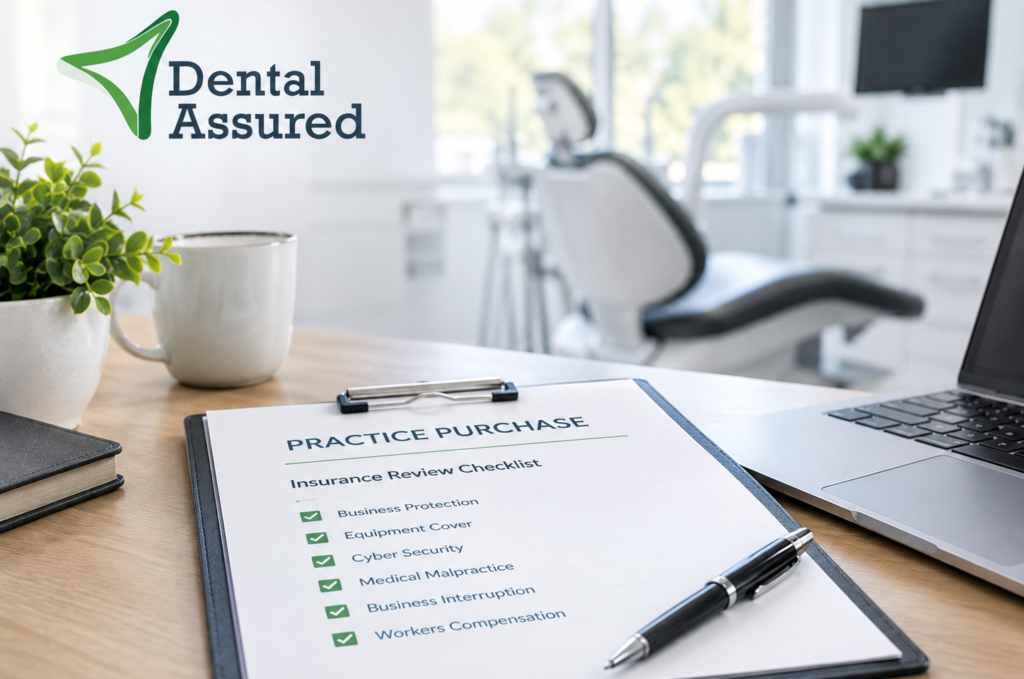
REAL PRACTICE STORIES. REAL INSURANCE LESSONS FROM DENTAL ASSURED Case Study 1: A Practice Insurance Renewal Review That Revealed More Than Expected Is your insurance really giving you the protection you think it is? Insurance renewals can often feel like a straightforward process: the renewal arrives, the premium is reviewed, and the decision comes down to whether the price looks reasonable. But what if the information your policy is based on is no longer accurate? One dental practice owner approached Dental Assured, Dental Innovations’ insurance partner, shortly before renewal to get a second opinion on their existing insurance arrangements. At first glance, everything appeared to be in order. The practice had been insured for years and the renewal was already underway. However, after taking the time to understand the practice and how the business had changed, it quickly became apparent that some of the information being used by the insurer was no longer accurate. During the review, it was discovered that the turnover recorded on the policy was more than double the practice’s actual turnover. This was contributing to a higher insurance cost, but the more concerning issue was found within the practice’s Business Interruption cover. The practice’s insurable gross profit figure was significantly understated compared with the business’s true exposure. When the numbers don’t tell the whole story Underinsurance is one of the common issues that can become apparent at claim time. If a major event such as a fire or other incident forced the practice to close, an incorrectly calculated Business Interruption sum insured could leave the business facing a significant shortfall in its insurance recovery. Dental Assured worked closely with the practice to review its financial information and ensure the sums insured properly reflected how the business operated today, rather than relying on outdated information that had simply carried forward from previous renewals. The review also identified another potential gap. The practice’s Statutory Liability cover had been arranged as a small extension within its business insurance policy. While this type of extension can provide a level of protection, it may not provide the breadth of cover available through a dedicated Management Liability policy. After discussing the practice’s specific risks, Dental Assured recommended replacing the extension with a standalone Management Liability policy. This provided broader protection across areas including statutory investigations, employment-related claims, tax audit costs, crime and fraud-related events, as well as social engineering and cyber-enabled payment fraud. The outcome The final insurance program cost more than the practice’s previous arrangement. But the objective wasn’t simply to find a cheaper premium. It was to make sure the practice had insurance that accurately reflected its business and provided the protection it expected. The turnover figures were corrected, Business Interruption insurance was increased to a more appropriate level, and the practice received significantly broader protection through a dedicated Management Liability policy. Most importantly, the practice owner had greater confidence that their insurance program was properly aligned with the business – and would be there to respond if they ever needed to make a claim. The takeaway for your practice An insurance renewal shouldn’t just be a conversation about price. Practices change. Turnover changes. Staffing changes. Equipment and assets change. The way a practice operates can change significantly from one year to the next. Yet sometimes the information used to arrange the insurance simply gets carried forward from the previous renewal. That can mean you’re paying for cover you don’t need, while potentially leaving gaps in areas where you do. A renewal review can uncover these issues before they become a problem – because claim time is not the time to discover that your policy doesn’t provide the protection you thought it did. Don’t simply renew. Have it reviewed. Your insurance renewal may look straightforward, but a renewal is the perfect opportunity to check whether your cover still reflects your practice, your assets and the risks you’re actually exposed to. Small changes to your practice, equipment, turnover, premises or circumstances can mean your policy no longer provides the protection you expect. And comparing premiums alone doesn’t tell you whether you’re adequately covered. Dental Assured specialises in understanding the unique insurance risks faced by dental practices and can review your renewal to help you understand exactly what you’re paying for and whether your cover is still right for your practice. Take the First Step Simply complete the short Dental Assured renewal review form, attach your renewal, and their team will be in touch to discuss your requirements. Complete the Renewal Review Form Or, if you’d prefer to speak to someone directly: Call William on 0447 784 755Email: william@dentalassured.com.au A few minutes now could give you greater confidence in your cover for the year ahead. Don’t renew until you’ve had it checked.

Business, Practice

Communication Is Key

We Don’t Have a Communication Problem. We Have a Conversation Problem. Amy Morgan – Director | Editor – The Rise Dental Co The biggest misunderstandings in a dental practice rarely come from what people say. They come from the stories we create about things that were never said. Imagine asking everyone in your practice the same question: “How would you describe the culture here?” Chances are that you’d hear five very different answers. The practice owner might proudly tell you they’ve worked hard to build a supportive team. A dental assistant may quietly wonder whether anyone notices just how much happens behind the scenes to keep the day running smoothly. Reception might describe the emotional balancing act of calming anxious patients while juggling phones, schedules and unexpected changes. Meanwhile, the hygienist could describe feeling that their concerns are sometimes heard only after an issue has already occurred. What’s fascinating is that they’re all describing the very same workplace, yet each person’s experience feels completely different. That doesn’t mean anyone is wrong, it simply means we’re all experiencing the same environment through different lenses, shaped by our role, our experiences and the meaning we’ve attached to them. After working alongside dental teams across Australia, I’ve come to believe something that surprises a lot of people. Most practices don’t actually have a communication problem; they have a conversation problem. Whether we realise it or not, we all arrive at work carrying stories. That’s not because we’re dramatic or negative, but because it’s how our brains make sense of the world. Every interaction, email, passing comment, meeting and even silence is filtered through our own experiences and assumptions. Sometimes they sound like this: The dentist doesn’t trust us. Reception has no idea what it’s like in surgery. People in surgery don’t understand what happens at reception. Management only notices mistakes. No matter what I do, it’ll never be enough. At first, these are simply interpretations. They’re our best attempt at making sense of a moment. But over time, something subtle happens, those interpretations begin to feel like facts. Once we’ve written a story about someone in our mind, our brains naturally start looking for evidence to support it. We notice the interactions that confirm what we already believe while overlooking anything that challenges it. Psychologists call this confirmation bias. The difficulty is that while our stories often feel true, they’re rarely the whole truth. Dental practices are incredibly good at exchanging information. A patient has arrived. Lab work is back. Room three is ready. The crown needs adjusting. The stock has been delivered. The schedule has changed. Information moves constantly because it has to, it’s what keeps the day functioning. But information isn’t the same as conversation. Every conversation we avoid leaves space for our imagination to step in. Because our brains are wired to make sense of uncertainty, our brains are uncomfortable with missing information. When there are gaps in the story, we instinctively fill them. I often remind teams that people don’t respond to what actually happened, they respond to the meaning they’ve attached to what happened. That distinction changes one’s perspective immediately. Two people can experience exactly the same interaction and leave with completely different conclusions. Neither is trying to create conflict. They’re simply interpreting events through different experiences, pressures and expectations. A few months ago, I was working with a dental practice that described themselves as ‘struggling with communication.’ As we explored what was happening, something interesting emerged. The principal believed the team had become disengaged. They weren’t contributing ideas in meetings, they weren’t asking questions, and there seemed to be little ownership around improving the practice. The team’s perspective was completely different. They believed decisions had already been made before meetings began, so they stopped offering ideas because they assumed their input wouldn’t change anything. Neither side was trying to create distance. Neither side intended to make the other feel unheard. Both sides were responding to a story they had created. The principal’s story was: My team isn’t invested. The team’s story was: Our opinions don’t matter. The breakthrough didn’t come from a new communication strategy or another team meeting. It came from one honest conversation where both sides realised they had been reacting to assumptions rather than reality. The story they’d each carried for weeks disappeared in a two-minute conversation. Nothing about the situation had changed, only each side’s understanding of it. Sometimes the conversation we’re avoiding isn’t difficult because of what will be said. It’s difficult because of what we’ve already decided is true. So, perhaps instead of asking, how do we communicate better? We should be asking, what conversations are we avoiding? That single question shifts the focus from communication as a skill to conversation as a choice. Because the answer is rarely another meeting, another policy or another personality profile. More often it’s about the courage to ask instead of assuming, and to acknowledge when we’ve misunderstood a situation. The next time you find yourself feeling frustrated, disappointed or hurt by something that has happened at work, resist the temptation to immediately believe the first story your mind creates. Instead, pause and ask yourself three simple questions: What do I know for certain? Separate the facts from your interpretation. What have I assumed? Notice where you’ve filled in the gaps without checking whether your conclusions are true. Who do I need to ask? If the story involves another person, the only way to know the truth is to have the conversation. These questions take less than a minute; they won’t eliminate misunderstandings altogether, but they can change the meaning we’ve attached to situations and stop a false story from becoming a damaged relationship. Every person in your practice is carrying a story. Some of those stories build trust, connection and belonging. Others quietly create distance, misunderstanding and resentment. Sometimes the smallest shift in perspective opens the door to the biggest change in a workplace. The difference is found in the willingness to have one honest conversation

Business

Where is Your Practice Really Losing Money?

When most practice owners think about saving money, they naturally look at the price they’re paying for products. While that’s important, it’s often not where the biggest savings are hiding. Over the years, we’ve worked with hundreds of independent practices, and we’ve found that many are losing money in ways they don’t even realise. It’s usually not one big issue – it’s lots of small inefficiencies that add up over time. Ordering takes longer than it should If your team is logging into multiple supplier websites, checking different catalogues, comparing prices and placing several orders each week, that’s valuable time being spent on administration instead of supporting patients. Time is one of the biggest costs in any practice, and it’s often overlooked. Too much stock… or not enough Most practices have cupboards full of products “just in case”. Others find themselves placing urgent orders because they’ve unexpectedly run out of something important. Both situations cost money. Holding excess stock ties up cash that could be used elsewhere in the practice, while emergency orders often mean extra freight charges and unnecessary stress for the team. Products expire more often than you’d think We’ve all found products at the back of a cupboard that have passed their expiry date. It’s frustrating because no one intended for it to happen. It simply happens when stock levels and expiry dates aren’t easy to monitor. Even small amounts of expired stock throughout the year can quickly become a significant cost. Do you really know where your money is going? Most practice owners know what they’re spending each month, but not necessarily where those dollars are going. Which supplier are you spending the most with? Which product categories have increased? Could some purchases be consolidated to reduce freight? Having this information makes it much easier to make informed decisions rather than relying on guesswork. Small changes make a big difference The good news is you don’t need to completely change the way your practice operates. Sometimes it’s simply about having better visibility over your purchasing, reducing duplication, improving stock control and making it easier for your team to order what they need. That’s exactly why we developed the Dental Innovations Online Ordering Portal and Inventory Management System. It gives practices one place to manage ordering across multiple suppliers, monitor stock levels, keep track of spending and simplify purchasing. More importantly, it helps practice owners make informed decisions that save both time and money. Every practice is different, which is why we love showing members how these tools can work in their own practice. Often, there are opportunities to improve efficiency that haven’t even been considered. If you’d like to see what’s possible, we’d be happy to take you through a personalised demonstration and show you how other independent practices are simplifying their purchasing and inventory management. Saving 15% on products is only part of the story. Reducing waste and improving processes can save practices thousands more. Want to see how it works in your practice? Book a demo to find out more about Dental Innovations and the Online Ordering Platform. 👉 Book A Demo Members can book dedicated training sessions with Sally To ensure members are getting full value from their membership, dedicated training sessions with Sally are available to walk through both the Online Ordering Platform and Members Site. This ensures nothing is missed and the system is being used to its full capability. 👉 Member Training

Business

ADA Dental Health Foundation

Navigating the Middle Ground by Dr Tori Carter The gap between public and private dental care is not new. It has persisted, shaped by eligibility criteria on one side and market realities on the other. But in the current economic climate, with rising living costs, inflation, and ongoing financial pressure, this gap has become more visible and harder for many people to navigate. At the ADA Dental Health Foundation, we often hear from people who sit in this space, reaching out to ask if we may be able to help. They’re managing competing demands. The cost of dental care is often beyond what they can afford. They are not avoiding care. They are trying to operate within a system that has very little middle ground. The space between Public dental services are designed to support those most in need, with access shaped by concession status and priority groups. For those who are eligible, care is subsidised and directed toward individuals experiencing the greatest barriers. Alongside this, private dentistry offers timely access and flexibility, with fees set independently by clinics. These are complementary parts of the system, but in practice they leave a space between them, occupied by people whose circumstances do not clearly align with either pathway. The cost of routine care A dental check-up and clean, including x-rays, may fall in the range of $270 to $360 [¹]. Preventive treatments, such as fluoride, are often recommended, and the cost increases accordingly. Depending on findings, further testing may be needed to inform diagnosis and treatment planning. Individually routine, together they shape the overall cost of attending. For some, this is manageable. For others, particularly alongside competing financial pressures, it needs to be planned around, deferred, or staged over time. This is where the middle ground becomes more visible, not through any single fee, but through the cumulative weight of essential care. Postponing prevention One of the clearest indicators of this widening gap is the timing of when people seek help. Preventive care is often the first thing to slip. Routine check-ups become difficult to arrange as other essentials take priority. People try to manage symptoms by adjusting their diet, avoiding certain teeth, or relying on temporary relief. Eventually, the problem escalates. A cracked tooth, pain disrupting sleep, or swelling becomes the point at which action is unavoidable. By the time they reach out, the situation is rarely simple. Not because they didn’t care earlier, but because earlier did not feel financially possible. Reality check “I’m not eligible for public care, what does that mean for me?” “Where do I fit if I can’t afford private treatment?” “Is there anything available for someone in my situation?” These are not questions of motivation, but of feasibility. Increasingly, they come from people sitting just outside eligibility for public dental services. For example, someone who has recently started full-time work and no longer holds a concession card but has not yet reached a level of financial stability where private care is accessible. Navigating systems While eligibility provides structure, access is shaped by more than criteria alone. Even for those within public eligibility, factors such as waiting times, appointment availability, treatment options, and capacity to attend influence how and when care is received. At the same time, private care offers immediacy and a broader range of treatment options but requires a level of financial flexibility that not everyone has at that moment. The result is that people are not choosing between two clear pathways — they are navigating the space between them. The compounding effect of delay What begins as a financial decision can quickly become a clinical one. Delaying care allows dental issues to progress. A minor concern may develop into something more complex, increasing cost and urgency. At that point, treatment options can become more limited, more expensive, and more invasive. This creates a cycle that is difficult to break: care is delayed because of cost, and the eventual cost is higher because care was delayed. A gap worth acknowledging The experiences of this group highlight an important reality: access to dental care is shaped not only by eligibility or intent, but by the practical space people occupy between systems. Recognising this gap helps us better understand the pressures people face, the timing of their decisions, and the reasons they seek help when they do. Behind every enquiry is someone trying to find a path forward. It also reinforces the value of structures, like the Foundation, that can offer support where the system has limited flexibility. Volunteer or Donate today! adadhf.org.au

Business

ADA DENTAL HEALTH FOUNDATION:

For many people, understanding how to access dental care is not straightforward. Knowing what services exist, whether they are eligible, and where to begin can be unclear. Often, reaching out starts with a simple question: “Can you help?”

Business, Technology

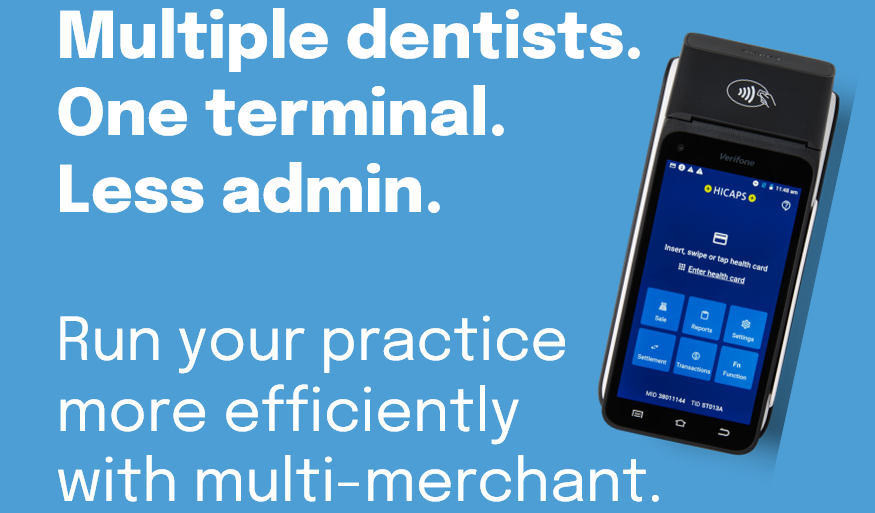
Why Dental Practices Are Losing Money on Ordering Without Realising It

Most dental practices think they’re saving money by comparing suppliers and “keeping an eye on stock.” In reality, the hidden admin behind ordering – checking cupboards, jumping between portals, chasing approvals, fixing mistakes, tracking deliveries – is costing far more than anyone realises. What feels like routine admin is actually one of the most inefficient systems inside a practice, quietly draining time, wages, and control every week.
There’s a far easier, smarter way to manage ordering, stock, budgets, and approvals – all in one place.
Read the full article to see how.

Business

ADA DENTAL HEALTH FOUNDATION: Smiles That Strengthen Communities

Could This Be Your Year to Volunteer?

What if something as simple as your time — a conversation, a reassuring presence, even a smile — could change the way someone experiences oral health care?

From 18–24 May, National Volunteer Week 2026 shines a light on the people who quietly strengthen communities every day. And within dentistry, those people are often the ones making the biggest difference where it matters most.

Through the work of the ADA Dental Health Foundation, volunteers are helping bridge gaps in access, build trust, and bring oral health education into communities that need it most. It’s not about grand gestures — it’s about consistent, human connection.

If you’ve ever wondered how you could make a meaningful impact beyond the practice, this is your moment to explore it.

👉 Read on to see the real impact of volunteering — or take the first step and get involved.

Business

Why helping patients choose their health is harder than ever

For years, clear education was enough to help patients choose what was best for their health. But as we head into 2026, something has changed. Patients aren’t disengaged — they’re overwhelmed. Financial pressure, decision fatigue, and uncertainty are reshaping clinical conversations every day. In this Dentistry Today article, Dr Toni Surace explores why traditional approaches are no longer enough — and what dentistry must do next.

Scroll to Top